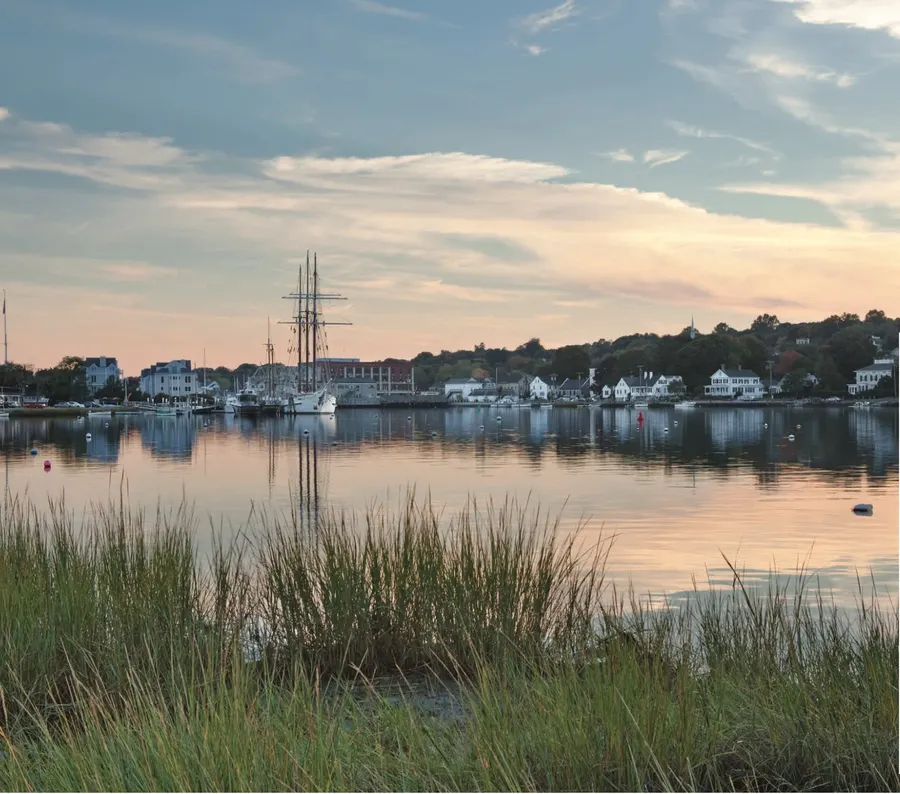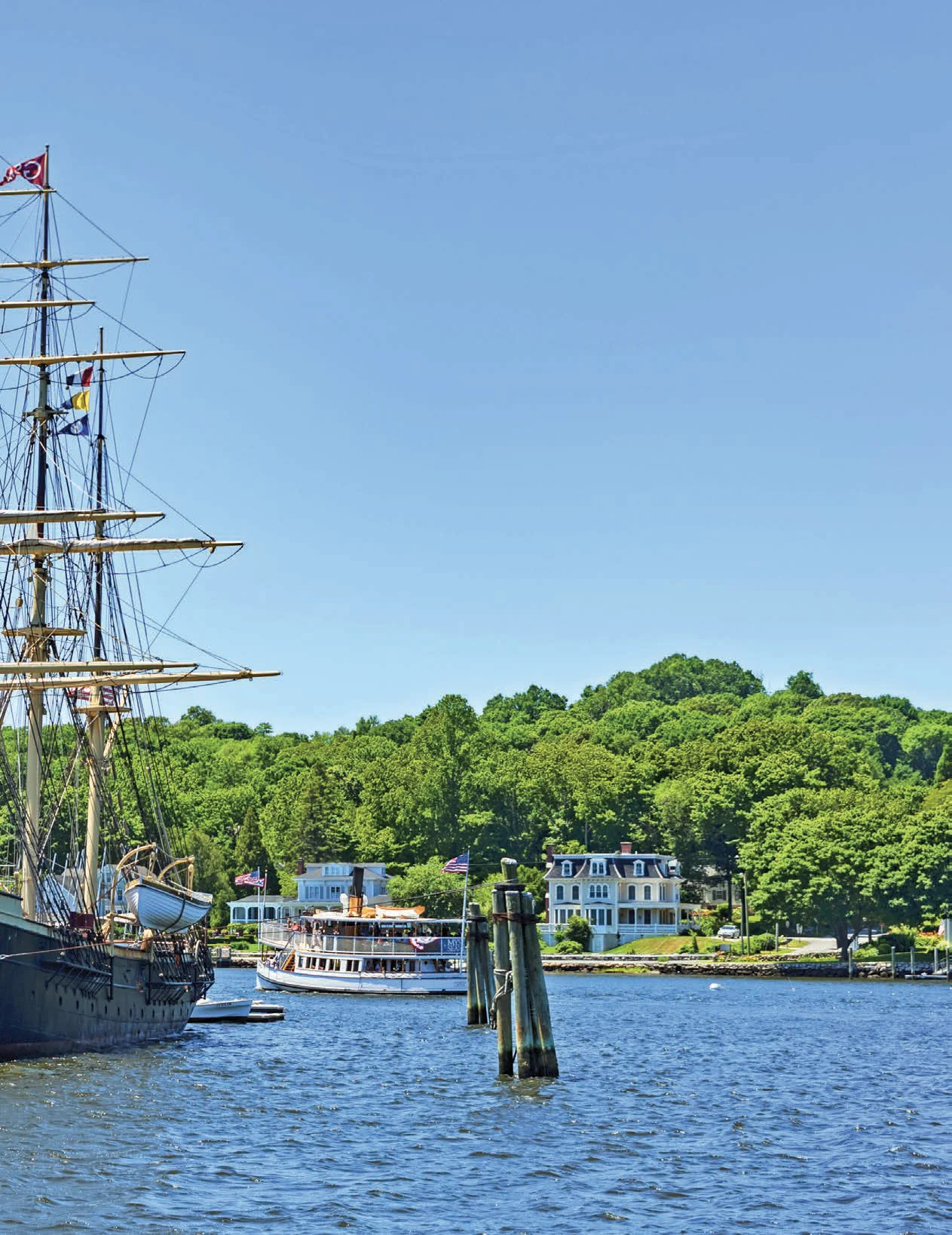
Mystic, Connecticut, is a town steeped in maritime history, and at its heart lies the remarkable legacy of the Mallory family. For over two centuries, the Mallorys have been synonymous with innovation and resilience, their contributions helping shape both the maritime industry and the cultural fabric of Mystic itself. Today, this storied history is celebrated at Delamar Mystic Hotel, where the family’s influence is woven into the very fabric of the guest experience.
The Mallory story begins in 1816 when a young Charles Mallory, just 20 years old, arrived in Mystic. Fired from his apprenticeship as a sailmaker in New London over a dispute about a 75-cent loan, Charles walked to Mystic on Christmas morning with little more than his skills and determination. This modest beginning marked the start of an empire. By setting up a sail loft on the banks of the Mystic River, Charles quickly gained a reputation as one of the finest sailmakers in the region, a craft that soon became the foundation for his ventures into shipowning and maritime trade.
Charles’s early success allowed him to invest in his first vessel just six years after arriving in Mystic. Over the years, he expanded his operations, eventually controlling 15% of Connecticut’s fleet. His influence extended beyond sailmaking into whaling and sealing, industries vital to New England’s economy at the time. By the mid-19th century, the Mallory name was well-known in maritime circles, with Charles’s business embodying the spirit of innovation and adaptability that would define his descendants.
As the family business grew, so did its ambitions. Charles’s eldest son, Charles Henry Mallory, joined the enterprise in the 1840s, bringing a bold vision that would propel the family into the era of steam-powered ships. While his father remained a steadfast advocate of wooden sailing vessels, Charles Henry saw the potential of iron steamships and led the company through a significant transformation. By the 1870s, the Mallory family’s fleet was among the largest operators of U.S.-flagged steamships, playing a crucial role in connecting coastal cities and bolstering trade along the Eastern Seaboard.
The Mallorys were not only shipbuilders and shipowners but also innovators in the passenger trade. Their vessels offered more than transportation—they provided comfort and hospitality, with meals, sleeping quarters, and activities designed to make voyages enjoyable. This focus on creating exceptional experiences aboard their ships laid the groundwork for the family’s enduring connection to hospitality, a legacy now reflected in the Delamar Mystic Hotel.
Hospitality and shipping have long been intertwined in the Mallory family history. Charles Mallory’s grandfather’s sister, Cora Mallory Munson, once owned the Royal Victoria Hotel in the Bahamas, a building with a storied past. Originally owned by Henry M. Flagler, developer of South Florida and the East Coast Railway, the hotel later passed to Cora and her husband, Frank C. Munson, President of Munson Steamship Lines. After the hotel ceased operations in 1971, it became home to the Bahamas Ministry of Health. Cora also endowed the Franck C. Munson Institute of Maritime Studies at Mystic Seaport, ensuring the family’s maritime legacy continues to educate future generations.
One of the most serendipitous connections in the Mallory story occurred during the christening of the current Charles Mallory at Fish Town Chapel in Mystic. Among the attendees were the Kulukundis family, prominent members of the Greek shipping community tied to Aristotle Onassis. Years later, Charles would meet his wife at a charity benefit in New York City, only to discover that her great-aunt and uncle had been present at his christening—a striking reminder of how deeply shipping and hospitality are woven into the Mallory family’s story.
The Delamar Mystic stands on land once owned by the Mallory family, a testament to their enduring presence in the town. The hotel’s design and curated collection of artifacts honor this deep connection, featuring paintings, photographs, and memorabilia that tell the family’s story. One notable artifact is the portrait of the original Charles Mallory, which now hangs behind the front desk. This painting was missing for decades before resurfacing at the Mark Twain House in Hartford. It eventually found its way to a private collector in Glastonbury, who, upon realizing its significance, returned it to Mystic Seaport. Today, it proudly hangs in the Delamar Mystic, symbolizing the family’s enduring legacy.
The Mallorys have left their mark far beyond Mystic. Mallory Square and Mallory Dock in Key West, Florida, are named after relatives who operated vital shipping routes to Texas, Cuba, Mexico, and beyond. The devastating Galveston Hurricane of 1900, which remains the deadliest natural disaster in U.S. history, reshaped this legacy. Charles Mallory’s grandfather, Clifford, married Rebecca Sealy, a member of one of Galveston’s most prominent families. Their home, Open Gates, became a refuge for 2,000 people during the hurricane and now serves as part of the University of Texas Medical Branch.
One of the most compelling aspects of the Mallory legacy is its unbroken lineage of innovation and leadership. Each generation built upon the successes of the last, navigating challenges with determination. During the Civil War, the Mallorys supported the Union war effort, while cousin Stephen Mallory served as Secretary of the Navy for the Confederacy. This stark contrast within the family underscores the complexity of their story and the resilience that defined their enterprise.
“ Delamar Mystic is more than a luxurious retreat; it’s a gateway to the past. ”
In the early 20th century, Clifford Day Mallory Sr., a great-grandson of Charles, left an indelible mark on the family’s history. After World War I, Clifford founded CD Mallory & Co., establishing one of the largest independent tanker fleets under the U.S. flag. His contributions extended beyond commerce, with his love of yachting inspiring the creation of the Clifford D. Mallory Trophy, awarded annually by the U.S. Sailing Association.
Today, Charles Mallory, a sixth-generation descendant, continues the family’s tradition of innovation and excellence. His son, Dixon Mallory, represents the seventh generation, carrying the family’s maritime torch forward. For Charles, the Delamar Mystic represents more than a business—it’s a tribute to the Mallorys’ enduring influence on Mystic and their contributions to American history.
Delamar Mystic is more than a luxurious retreat; it’s a gateway to the past. Guests are invited to step into a living museum, where the walls tell stories of shipbuilders, sailors, and innovators who shaped a town and an industry. From the carefully chosen artifacts to the thoughtful design inspired by maritime traditions, every detail reflects the spirit of the Mallory family and their timeless connection to Mystic.
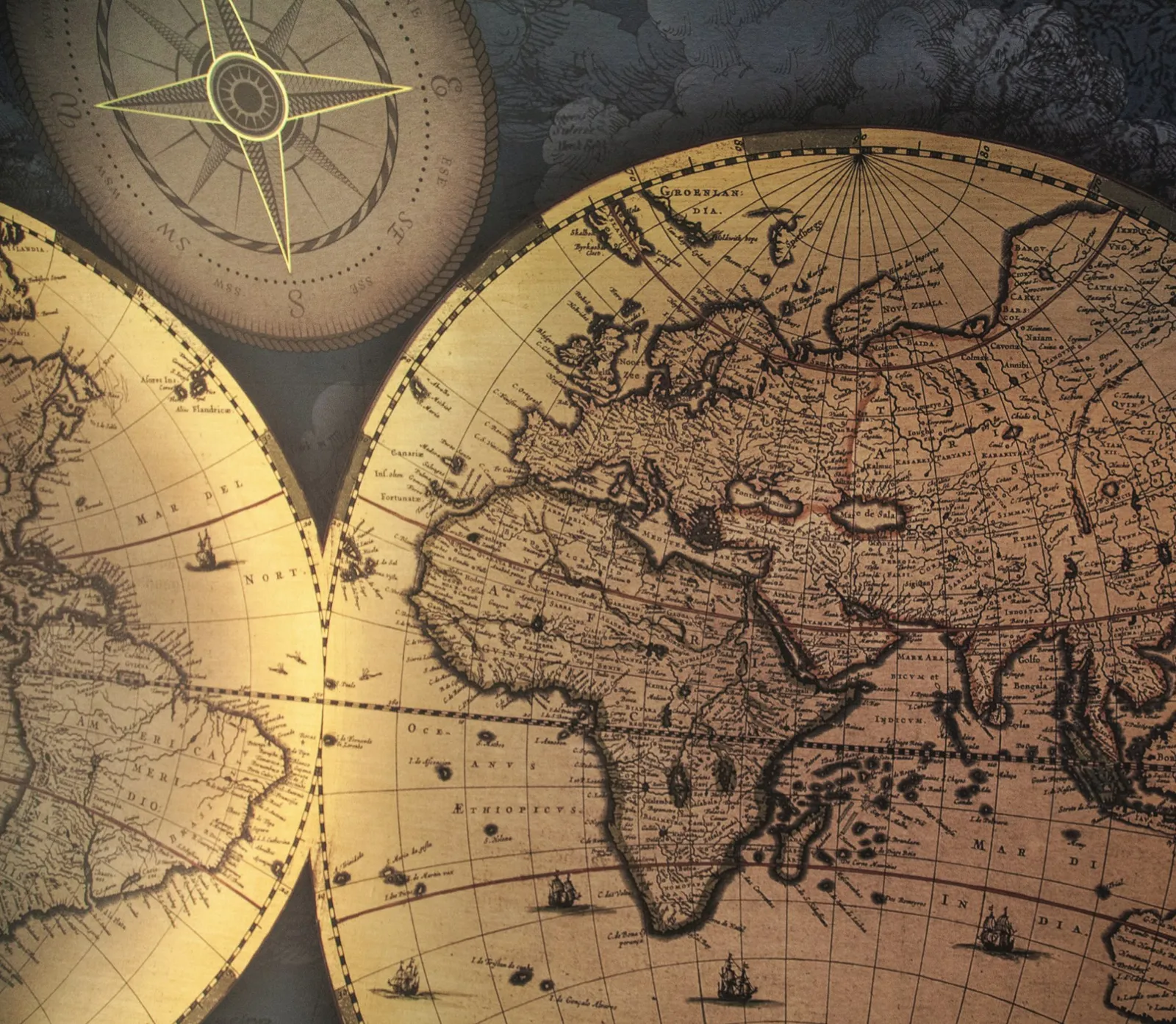
Our magazine cover features the map on the entrance ceiling of Delamar Mystic Hotel, a symbolic tribute to the Mallory family’s maritime legacy. The map represents the global reach of the Mallory shipping influence. It invites guests to look upward, reflecting on the vision and determination that propelled the Mallorys to the forefront of the shipping world while connecting their story to the present-day experience of Mystic.